


Parts Catalog for Twin Disc MG5075A Marine Transmissions
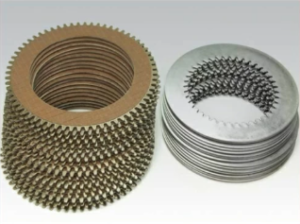
Plate Kit For Twin Disc MG5075A Marine Transmission
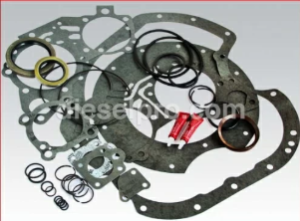
Gasket Kits For Twin Disc MG5075A Marine Transmission
Introduction to the Twin Disc MG5075A Transmission System
The Twin Disc MG5075A transmission is a high-performance marine gear system designed for various marine applications, including commercial workboats, fishing vessels, pleasure crafts, and military ships. Its primary function is to efficiently transfer power from the engine to the propeller while allowing precise control over speed and direction .
Understanding how the Twin Disc MG5075A transmission system operates, along with its core components, hydraulic system, lubrication requirements, and gear engagement principles , is essential for proper maintenance, troubleshooting, and optimization . This section provides a detailed breakdown of the MG5075A transmission system , helping marine technicians, engineers, and vessel operators to keep their propulsion systems in top working condition .
1. Transmission Components and Their Functions
The Twin Disc MG5075A transmission consists of multiple key components that work together to ensure efficient power transfer, precise shifting, and durability . Below is an in-depth look at the core components and their specific functions.
A. Input Shaft
- Receives power from the engine’s flywheel.
- Transmits rotational force to the internal gearing system .
- Designed for
high torque capacity
to handle marine engine loads.
B. Clutch Assembly (Hydraulically Actuated)
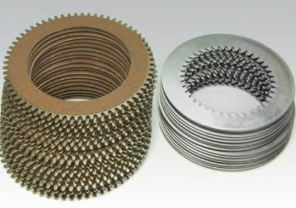
- Engages and disengages the forward and reverse gears .
- Uses hydraulic pressure to control engagement smoothly.
- Minimizes
shock loading
and
reduces wear on components
.
C. Reduction Gears
- Adjust the speed ratio between the engine RPM and propeller RPM.
- Provide multiple gear ratios to optimize power output.
- Help in
reducing stress on the engine
during high-load conditions.
D. Forward and Reverse Gear Sets
- Allow the vessel to change direction efficiently .
- Controlled by hydraulic clutch packs for smooth gear engagement .
- Made from
hardened marine-grade steel
for durability.
E. Hydraulic Pump
- Supplies pressurized oil to operate clutch packs and control shifting.
- Ensures smooth and reliable gear engagement .
- Prevents
dry shifting
, which can cause excessive wear.
F. Output Shaft
- Transfers final rotational power to the propeller shaft .
- Maintains
alignment and torque transmission
to the vessel’s drivetrain.
G. Bearings and Seals
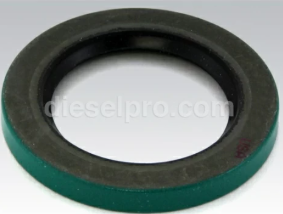
- Support rotational components and reduce friction.
- Prevent oil leaks and fluid contamination .
- Require
regular inspection and replacement
when worn.
H. Cooling System Integration
- Works alongside external oil coolers to regulate transmission temperature.
- Prevents overheating and ensures fluid longevity .
- Essential for
marine applications under high-load conditions
.
Each of these components plays a vital role in the operation and efficiency of the MG5075A transmission. Regular maintenance and proper handling ensure longevity and peak performance .
2. Hydraulic System Overview
The Twin Disc MG5075A uses a hydraulic system to operate its clutch packs, providing smooth and reliable gear shifting . Unlike mechanical clutch systems , hydraulic operation ensures minimal wear and precise engagement , making it ideal for marine applications where consistent performance is critical.
A. Functions of the Hydraulic System
- Engages and disengages clutches without excessive wear.
- Provides instant response for forward and reverse shifting.
- Protects
internal components from excessive shock loading
.
B. Key Hydraulic System Components
1. Hydraulic Pump
- Pressurizes transmission fluid for clutch operation.
- Ensures a steady flow of hydraulic oil under all operating conditions.
- Requires
periodic servicing
to prevent failures.
2. Hydraulic Clutch Packs
- Engage forward and reverse gears using oil pressure .
- Provide smooth, slip-free transitions between gears .
- Must be
inspected for wear and fluid contamination
.
3. Control Valves
- Direct hydraulic fluid to the appropriate clutch pack.
- Ensure proper shifting operation and engagement timing .
- Require
clean hydraulic oil to prevent clogging and malfunctions
.
C. Hydraulic System Maintenance
- Regularly check hydraulic fluid levels to prevent starvation.
- Change hydraulic filters to prevent debris buildup .
- Inspect hoses and seals for leaks to maintain optimal performance.
- Ensure
proper cooling
to prevent
fluid breakdown under high loads
.
A well-maintained hydraulic system ensures smooth shifting, extended transmission life, and reduced wear on internal components.
3. Lubrication System and Cooling Requirements

The Twin Disc MG5075A transmission operates under heavy loads and high torque , requiring a high-performance lubrication and cooling system to prevent overheating and excessive wear.
A. Importance of Proper Lubrication
- Reduces friction between moving parts .
- Prevents metal-to-metal contact , which can lead to premature failure.
- Helps
dissipate heat
generated during operation.
B. Recommended Transmission Fluids
- Use high-quality marine-grade transmission oil .
- Ensure oil meets OEM specifications for viscosity and performance.
- Change
fluid at manufacturer-recommended intervals
to maintain performance.
C. External Cooling System
- The MG5075A transmission requires an external oil cooler .
- Helps dissipate heat and prevents fluid degradation .
- Must be
free of blockages
to ensure
proper fluid flow
.
D. Routine Maintenance for Lubrication and Cooling Systems
- Check oil levels before and after each trip.
- Flush and replace transmission fluid at scheduled intervals.
- Inspect oil coolers and heat exchangers for blockages.
- Monitor temperature gauges
to prevent overheating.
By maintaining proper lubrication and cooling , operators can avoid costly repairs and maximize transmission lifespan .
4. Gear Engagement and Operation Principles
The Twin Disc MG5075A transmission allows for precise gear engagement , ensuring efficient vessel maneuverability . Understanding how the transmission engages gears is crucial for smooth operation and troubleshooting .
A. How Gear Engagement Works
- Operator selects gear (forward or reverse)
.
- Hydraulic pump pressurizes clutch pack
.
- Clutch engages appropriate gear set
.
- Power transfers from the input shaft to output shaft
.
- Transmission shifts smoothly into gear
.
B. Forward vs. Reverse Engagement
- Forward Gear Engagement : Uses primary clutch pack to rotate the output shaft in the desired direction .
- Reverse Gear Engagement
: Uses
secondary clutch pack
, altering the gear set to
change propeller rotation direction
.
C. Common Gear Engagement Issues
- Slipping Clutch : Indicates worn friction plates or low hydraulic pressure .
- Delayed Engagement : Can be caused by contaminated fluid or air in hydraulic lines .
- Harsh Shifting
: Often results from
incorrect fluid viscosity or internal component wear
.
D. Best Practices for Smooth Gear Engagement
- Always use the correct hydraulic fluid for smooth operation.
- Avoid rapid shifting between forward and reverse gears .
- Regularly inspect clutch packs for signs of wear .
- Ensure
hydraulic pressures are within manufacturer specifications
.
Understanding gear engagement principles helps technicians diagnose shifting problems and ensure smooth propulsion .
Conclusion
The Twin Disc MG5075A transmission is a critical component in marine propulsion systems, providing precise power control, efficient torque transfer, and smooth shifting .
Key Takeaways:
✔
The MG5075A is hydraulically actuated for smooth gear engagement.
✔
Proper lubrication and cooling prevent overheating and wear.
✔
Routine maintenance extends transmission lifespan and performance.
✔
Understanding gear engagement ensures smooth vessel operation.
By following best practices in maintenance, hydraulic system care, and fluid management , vessel operators can maximize the performance and longevity of their Twin Disc MG5075A transmission .
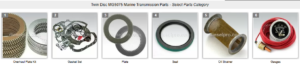
Plate Kit For Twin Disc MG5075A Marine Transmission
Gasket Kits For Twin Disc MG5075A Marine
Transmission
Videos About Twin Disc Transmissions
6 Reasons Your Twin Disc Transmission Has Low Oil Pressure
7 Reasons Your Twin Disc Transmission Is Overheating
3 Reasons Your Clutch Plates in Your Twin Disc Transmission Are Making Excessive Noise
Bull Gear On A Twin Disc Transmission
Rebuilt Twin Disc Transmissions