


Introduction
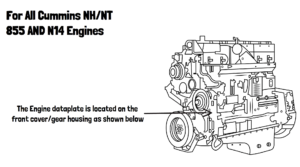
Proper maintenance of the Cummins N14 engine is essential for ensuring its longevity, reliability, and optimal performance. This guide provides detailed step-by-step service procedures for key engine systems, including the fuel system, lubrication system, cooling system, air intake & exhaust, electrical system, and ECM diagnostics . Additionally, we cover common troubleshooting methods to help diagnose issues related to performance, emissions, and mechanical wear.
Parts Catalog for N14 Cummins Industrial Engines
A. Fuel System Maintenance
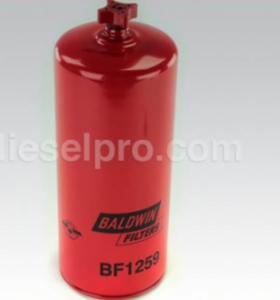
The fuel system plays a critical role in the engine’s efficiency and performance. Proper maintenance ensures optimal fuel delivery, combustion, and injector operation .
1. Inspect and Replace Fuel Filters
Recommended Fuel Filters:
- Use Fleetguard FS1000 or an equivalent fuel-water separator .
- Ensure filters meet
Cummins fuel system specifications
to prevent contamination.
Step-by-Step Fuel Filter Replacement Procedure:
- Turn off the engine
and allow it to cool.
- Locate the primary and secondary fuel filters.
The primary filter is typically the
fuel-water separator
, while the secondary filter is mounted on the engine.
- Drain fuel from the old filter
using the provided drain plug.
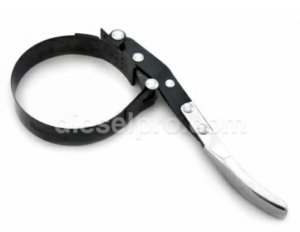
- Remove the old fuel filter
using a strap wrench.
- Pre-fill the new filter
with clean diesel fuel to minimize air introduction.
- Lubricate the new filter gasket
with a thin coat of diesel fuel.
- Install the new filter
by tightening
½ to ¾ turns past gasket contact
(do not overtighten).
- Prime the fuel system
using the manual fuel pump or
turning the key to “ON” without cranking
(for CELECT™ engines).
- Start the engine and check for leaks.
2. Checking Injectors
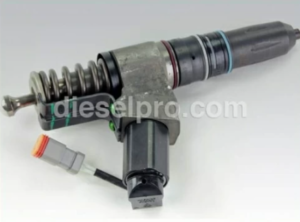
Signs of Faulty Injectors:
- Rough idle or misfires
- Excessive black smoke
- Loss of power and fuel efficiency
Steps to Inspect Injectors on a CELECT™ System:
- Use Cummins Insite™ software
to monitor individual injector performance.
- Perform a cylinder balance test
by disabling injectors one at a time and observing RPM drops.
- Check fuel pressure at the rail
using a sight glass to detect air bubbles (air in fuel lines can cause injector misfires).
- If injectors fail tests
, replace with Cummins-approved replacements and recalibrate ECM.
3. Fuel Pump Testing
Fuel Pump Inspection Steps:
- Check fuel inlet restriction using a manometer (should not exceed 6 inHg under full load).
- Inspect fuel drain line restriction (should be under 3.5 inHg ).
- Measure fuel pressure at idle and at full throttle ( ideal pressure is 25-35 psi ).
- If readings are low, inspect
fuel lines, pressure regulator, and fuel pump seals
for leaks.
Fuel Filter & Related Components for Cummins N14 Industrial Engine
B. Lubrication System Maintenance
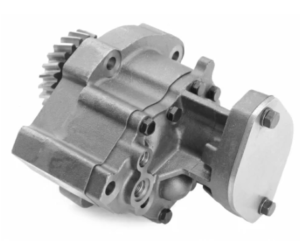
The lubrication system is responsible for reducing friction, cooling engine parts, and preventing wear.
1. Oil Change Interval
- Replace oil every 15,000 miles or 500 hours , whichever comes first.
- Use 15W-40 heavy-duty diesel oil meeting Cummins CES 20078 specifications .
- Inspect oil levels
daily
to ensure proper lubrication.
2. Oil Filter Replacement
Oil Filter Replacement Steps:
- Drain engine oil
while the engine is warm for better flow.
- Remove the oil filter
using a filter wrench.
- Apply a thin layer of oil
to the new filter gasket.
- Install the new filter
by tightening
½ to ¾ turns past gasket contact
.
- Refill oil to proper levels
and check for leaks.
3. Checking Oil Pressure
Oil Pressure Specifications:
- 30–45 psi at high idle
- 10–15 psi at low idle
Steps to Verify Oil Pressure:
- Install a
mechanical oil pressure gauge
at the main oil rifle.
- Start the engine and let it warm up.
- Compare readings with standard oil pressure ranges.
- If oil pressure is
low
, inspect
oil pump, bearings, and pressure relief valve
.
Lubrication System & Related Components for Cummins N14 Industrial Engine
C. Cooling System Maintenance
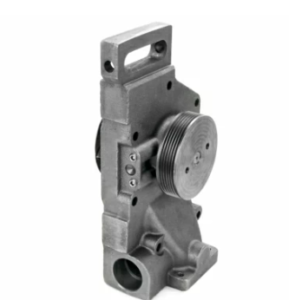
The cooling system regulates engine temperature to prevent overheating and ensure efficient operation.
1. Radiator & Coolant Checks
Coolant Maintenance Steps:
- Use a
50/50 coolant mixture
with
Cummins-approved SCA additives
.
- Inspect radiator hoses for leaks, cracks, or loose clamps.
- Flush the cooling system
every 2 years
to remove scale buildup.
Cooling System & Related Components for Cummins N14 Industrial Engine
2. Water Pump Inspection
Signs of a Failing Water Pump:
- Coolant leaks from the weep hole
- Overheating under load
- Squeaking or grinding noises
To inspect:
- Check the water pump bearing for play by manually moving the pulley.
- If coolant is leaking from the weep hole , replace the pump.
3. Thermostat Replacement
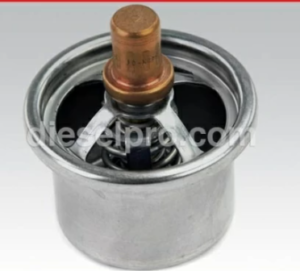
Thermostat Specifications:
- Opens at 180°F to 195°F
Replacement Procedure:
- Drain coolant from the system.
- Remove the
thermostat housing
and old thermostat.
- Install a
new Cummins-recommended thermostat
.
- Refill the coolant and purge air from the system.
Thermostat & Related Components for Cummins N14 Industrial Engine
D. Air Intake & Exhaust System
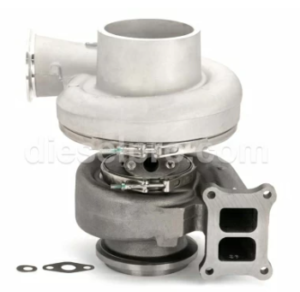
1. Turbocharger Inspection
Check for Turbo Issues:
- Excessive shaft play
- Oil leaks into the compressor housing
- Loss of boost pressure
Use a manifold pressure gauge to verify proper boost levels (25-30 psi under load) .
2. Air Filter Maintenance
- Replace air filters every 25,000 miles or annually.
- Check for
collapsed intake hoses
restricting airflow.
3. Exhaust Manifold Check
- Inspect for cracks, leaks, or excessive carbon buildup .
- Ensure
turbo mounting bolts are properly torqued
.
Turbocharger & Related Components for Cummins N14 Industrial Engine
E. Electrical System & ECM Diagnostics
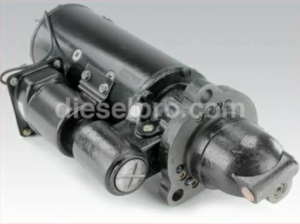
1. Battery & Alternator Checks
- Ensure charging voltage is 14V-14.5V at idle .
- Inspect battery terminals for corrosion.
2. Sensor Testing
- Use
Cummins Insite™
to verify coolant temp, oil pressure, and intake air sensors.
3. ECM Reset & Calibration
- Resetting ECM clears minor glitches.
- Reprogram ECM
if new injectors are installed.
Starter & Related Components for Cummins N14 Industrial Engine
F. Engine Testing & Troubleshooting
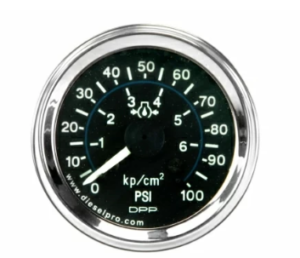
1. How to Perform an Engine Compression Test
- Remove all injectors.
- Insert a compression gauge into each cylinder.
- Crank the engine and record readings (
400-500 psi is normal
).
2. Common Causes of Excessive Blowby
- Worn piston rings
- Glazed cylinder liners
- Cracked pistons
3. Checking Crankshaft End Play
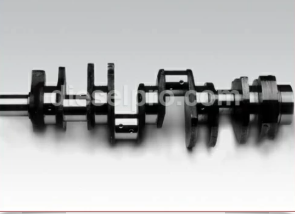
- Use a dial indicator on the crankshaft flange.
- Normal clearance:
0.003-0.015 inches
.
4. Troubleshooting Excessive White Smoke
- Check for coolant leaks or low compression .
- Inspect injector spray patterns
.
5. Cold Weather Start-Up Procedure
- Use a block heater .
- Allow engine to idle at 1000 RPM before applying load
.
Conclusion
Proper step-by-step maintenance of the Cummins N14 engine ensures long service life, reliability, and optimal performance . By following these detailed service procedures, you can minimize downtime, prevent costly repairs, and maintain engine efficiency.
Parts Catalog for N14 Cummins Industrial Engines









I will know, I thank for the information.