


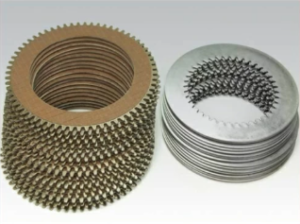
Parts Catalog for Twin Disc MG5075A Marine Transmissions
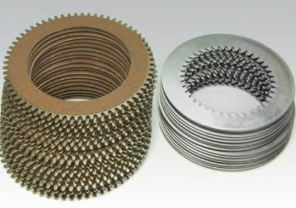
Plate Kit For Twin Disc MG5075A Marine Transmission
Gasket Kits For Twin Disc MG5075A Marine Transmission
Introduction to Routine Maintenance of the Twin Disc MG5075A Transmission
Routine maintenance is crucial to ensuring the Twin Disc MG5075A marine transmission operates at peak performance. Neglecting maintenance can lead to premature wear, costly repairs, and unexpected breakdowns , which can be particularly problematic in marine environments where downtime can be expensive and dangerous.
A proactive maintenance approach helps extend the lifespan of the transmission, optimizes fuel efficiency, and minimizes the risk of failures. This guide covers maintenance scheduling, fluid and filter changes, hydraulic system inspections, clutch adjustments, bearing and seal checks, and cooling system maintenance to ensure your Twin Disc MG5075A transmission remains in optimal working condition.
1. Maintenance Schedule for Optimal Performance
A structured maintenance schedule helps technicians and vessel operators keep track of essential servicing tasks. Below is a recommended routine maintenance schedule based on operating hours and conditions .
A. Daily Maintenance Checks
✔
Inspect for leaks
around the transmission housing, hoses, and fittings.
✔
Check fluid levels
using the dipstick; top off if needed.
✔
Monitor transmission temperature
during operation.
✔
Observe for unusual noises
or vibrations that indicate wear.
B. Weekly Maintenance Checks
✔
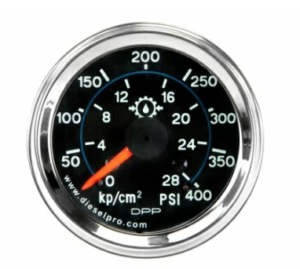
Check hydraulic system pressure
to ensure proper clutch engagement.
✔
Inspect all mounting bolts
for tightness.
✔
Verify cooling system function
by checking oil temperature and flow rate.
C. Monthly Maintenance Checks
✔
Inspect transmission filters
for contamination.
✔
Examine clutch operation
for proper engagement and shifting performance.
✔
Check and clean external oil cooler
to prevent overheating.
✔
Inspect transmission control cables
for wear or misalignment.
D. Quarterly (Every 250 Hours) Maintenance Tasks
✔
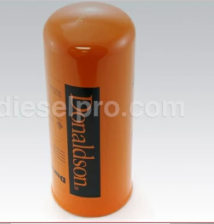
Change transmission fluid
and replace filters.
✔
Check for excessive bearing play
or noise.
✔
Inspect seals and gaskets
for signs of deterioration.
✔
Torque check all bolts
to ensure no loosening due to vibration.
E. Annual (Every 1,000 Hours) Maintenance Tasks
✔
Perform a complete transmission inspection
, including clutch packs.
✔
Disassemble and clean key components
if necessary.
✔
Flush and replace hydraulic fluid
to remove contaminants.
✔
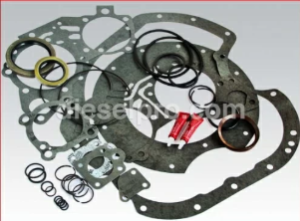
Replace any worn seals, gaskets, and bearings
.
Following this schedule minimizes downtime and maximizes the longevity of the Twin Disc MG5075A transmission .
2. Fluid and Filter Change Intervals
Transmission fluid serves as both a lubricant and a hydraulic medium in the MG5075A. Over time, the fluid can become contaminated with debris, moisture, and metal particles , reducing its effectiveness and causing damage to internal components.
A. Importance of Regular Fluid Changes
- Ensures smooth clutch engagement .
- Prevents overheating by maintaining proper cooling properties.
- Reduces
wear on bearings, seals, and gears
.
B. Recommended Transmission Fluid Types
✔ Use only
Twin Disc-approved hydraulic transmission oil
.
✔ Ensure the oil has
high thermal stability
and
anti-wear properties
.
✔ Select oil with
proper viscosity
for the operating environment.
C. Transmission Fluid Change Procedure
1. Draining Old Fluid
✔ Warm up the engine
to operating temperature
to help the oil drain easily.
✔ Shut down the engine and allow the transmission to cool.
✔ Locate the
drain plug
and place an oil collection pan beneath it.
✔ Remove the plug and allow all
fluid to drain completely
.
2. Replacing the Transmission Filter
✔ Remove the
old filter
and inspect for debris.
✔ Install a
new filter
, ensuring it is properly seated.
3. Refilling with New Transmission Fluid
✔ Pour the
recommended amount of fresh fluid
into the transmission filler port.
✔ Check the
fluid level using the dipstick
.
✔ Start the engine and
cycle through gears
to distribute oil evenly.
✔ Recheck fluid levels
and top off if necessary
.
Changing the transmission fluid every 250 hours prevents contamination and ensures smooth transmission performance .
3. Checking Hydraulic System Pressure and Leaks
The hydraulic system plays a vital role in gear engagement and shifting. Ensuring proper pressure levels and leak-free operation prevents clutch slipping and shifting issues.
A. Signs of Hydraulic System Issues
✔
Slow or delayed gear engagement
.
✔
Inconsistent shifting or slipping clutches
.
✔
Low hydraulic pressure readings on the gauge
.
✔
Visible hydraulic fluid leaks around hoses and fittings
.
B. Checking Hydraulic Pressure
- Locate the hydraulic pressure test port on the MG5075A transmission.
- Attach a hydraulic pressure gauge .
- Start the engine and shift into neutral .
- Observe
pressure readings
and compare them to manufacturer specifications.
C. Inspecting for Hydraulic Leaks
✔ Check
hydraulic lines and fittings
for leaks or cracks.
✔ Tighten any
loose hose fittings
to prevent leaks.
✔ Replace
damaged hydraulic hoses
immediately.
Proper hydraulic system maintenance ensures consistent and smooth shifting performance .
4. Inspecting and Adjusting Clutch Engagement
The MG5075A transmission uses hydraulically actuated clutch packs to engage gears. Improper clutch operation can lead to slipping, harsh shifting, or delayed engagement .
A. Symptoms of Clutch Issues
✔
Slipping under load
(indicates worn clutch plates).
✔
Harsh or jerky engagement
(caused by hydraulic pressure irregularities).
✔
Delayed shifting between forward and reverse
.
B. Adjusting Clutch Engagement
- Ensure transmission fluid levels are correct .
- Verify hydraulic pressure is within recommended limits .
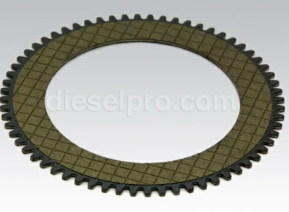
- If slipping occurs, inspect clutch friction plates for wear .
- Replace worn clutch packs
as necessary
.
Routine clutch inspections prevent transmission failures and ensure reliable operation .
5. Bearing and Seal Condition Checks
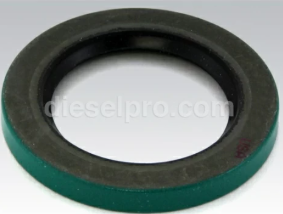
Bearings and seals prevent friction, overheating, and oil leaks within the MG5075A transmission. Regular inspection ensures these components remain in good condition.
A. Signs of Bearing or Seal Problems
✔
Excessive noise or grinding sounds
.
✔
Oil leaks near the output or input shaft
.
✔
Increased vibration
during operation.
B. Checking Bearings
✔ Rotate the
output shaft manually
and feel for resistance.
✔ Use a
stethoscope or vibration meter
to detect irregular bearing noises.
✔ If worn, replace bearings to
prevent catastrophic failures
.
C. Inspecting and Replacing Seals
✔ Check
shaft seals for wear or damage
.
✔ If leaking, remove the seal and install a
new OEM-approved seal
.
Regular bearing and seal inspections prevent transmission damage and extend service life .
6. Cooling System Maintenance
The Twin Disc MG5075A transmission relies on an external oil cooler to regulate temperature and prevent overheating.
A. Signs of Cooling System Issues
✔
Transmission oil overheating under load
.
✔
Reduced oil pressure due to thermal breakdown
.
✔
Clogged or restricted oil cooler lines
.
B. Cooling System Maintenance Steps
✔ Inspect
oil coolers for debris or blockages
.
✔ Flush cooler lines
every 500 hours
to remove contaminants.
✔ Check coolant flow rate and
replace hoses if necessary
.
A properly maintained cooling system ensures optimal operating temperatures and prevents transmission failure .
Conclusion
Routine maintenance is essential for ensuring the Twin Disc MG5075A transmission operates smoothly, efficiently, and reliably .
Key Takeaways:
✔ Follow a
structured maintenance schedule
based on engine hours.
✔ Regularly
change transmission fluid and filters
to prevent contamination.
✔ Monitor
hydraulic system pressure
to maintain shifting performance.
✔ Inspect
clutch packs, bearings, and seals
for wear.
✔ Maintain the
cooling system
to prevent overheating.
By adhering to these maintenance procedures, marine operators reduce downtime, optimize performance, and extend the lifespan of their MG5075A transmission .
Plate Kit For Twin Disc MG5075A Marine Transmission
Gasket Kits For Twin Disc MG5075A Marine
Transmission
Videos About Twin Disc Transmissions
6 Reasons Your Twin Disc Transmission Has Low Oil Pressure
7 Reasons Your Twin Disc Transmission Is Overheating
3 Reasons Your Clutch Plates in Your Twin Disc Transmission Are Making Excessive Noise
Bull Gear On A Twin Disc Transmission
Rebuilt Twin Disc Transmissions