


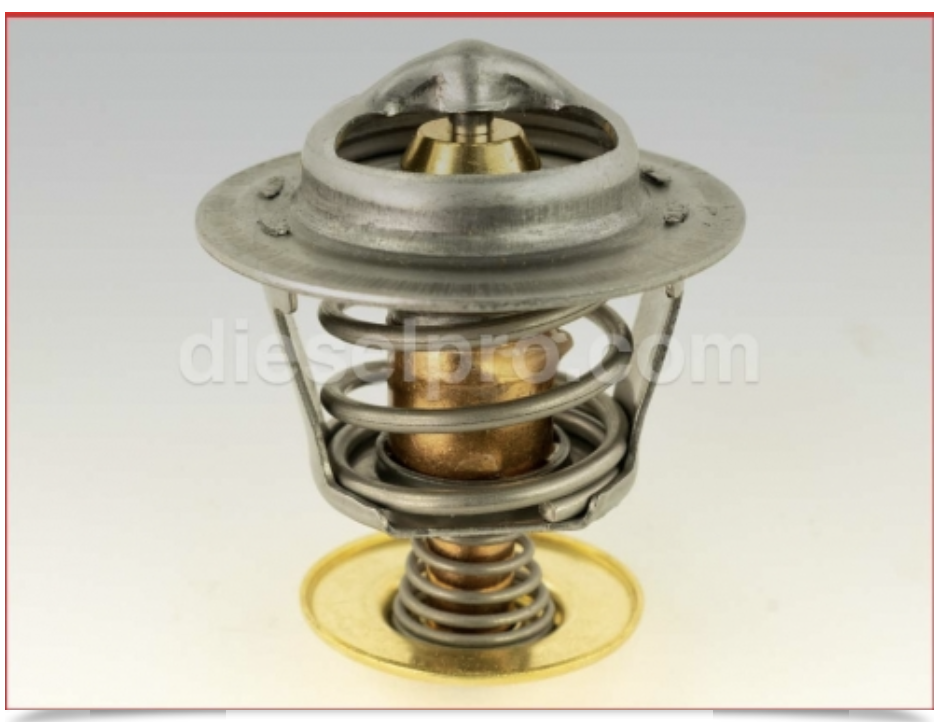
Why would you want to change your thermostats in a Cummins engine?

A thermostat is a critical componentof a Cummins marine engine’s cooling system, responsible for regulating coolant flow and maintaining the optimal operating temperature. Given the harsh marine environment, ensuring your engine’s thermostat is functioning properly is essentialto preventing overheating, maximising efficiency, and extending the life of your engine.
Unlike land-based diesel engines, marine engines operate under unique conditions—they are often exposed to corrosive saltwater, heavy loads, and extended running periods. These factors can accelerate thermostat wear, making regular inspection and replacementeven more important.
Below, we’ll go over the five key reasonswhy replacing the thermostats your Cummins marine engine should be part of your regular maintenance routine.
1. Preventing Overheating in Marine Environments
In a marine engine, the thermostat controls coolant flowthrough the heat exchanger or raw-water cooling system, preventing excessive heat buildup. If the thermostat fails, it can restrict coolant flow, leading to engine overheating.
Why Overheating is More Dangerous for Marine Engines:
- Unlike land-based engines, marine engines often run for extended periods at high RPMs, increasing heat generation.
- Limited airflow in the engine compartmentmakes cooling more dependent on the thermostat’s ability to regulate coolant circulation.
- Saltwater cooling systemscan accumulate mineral deposits, making temperature regulation even more critical.
Signs Your Thermostat May Be Failing and Causing Overheating:
✔️ Engine temperature gauge consistently runs above normal
✔️ Steam or excessive heatcoming from the engine compartment
✔️ Loss of power or sudden shutdownsdue to overheating
✔️ Increased wear on hoses, gaskets, and cooling system components
If your Cummins marine engine frequently overheats, replacing the thermostat is a cost-effective first stepbefore diagnosing more serious issues.
2. Optimizing Engine Performance and Longevity
Your Cummins marine engine is designed to operate at a specific temperature rangefor maximum efficiency. A failing thermostat can cause the engine to run either too hot or too cold, both of which impact performanceand increase engine wear.
Effects of a Faulty Thermostat on Engine Performance:
- Too Hot:Excessive heat reduces power outputand can cause component wearover time.
- Too Cold:If the thermostat is stuck open, the engine never reaches optimal temperature, leading to poor combustion and inefficient fuel use.
How a Properly Functioning Thermostat Helps:
✔️ Maintains steady operating temperatureunder varying marine conditions
✔️ Prevents thermal stress on engine components, reducing wear and extending engine life
✔️ Ensures consistent power output, which is critical for long trips or heavy loads
Regular thermostat replacement helps keep your Cummins marine engine running at peak performance, reducing the risk of costly repairs and downtime.
3. Improving Fuel Efficiency for Long Marine Journeys
Fuel efficiency is a major concernfor marine vessels, as they often operate for extended periods at steady RPMs. A malfunctioning thermostat can lower fuel economy, leading to increased fuel costs over time.
How a Bad Thermostat Affects Fuel Economy:
- If the engine runs too cold, it remains in a fuel-enrichment modefor longer, burning more dieselthan necessary.
- Poor combustion efficiencydue to incorrect temperature regulation results in higher fuel consumption.
- Over time, improper temperature control can lead to carbon buildup, further reducing efficiency.
Signs Your Thermostat May Be Hurting Your Fuel Economy:
✔️ Noticeable increase in fuel consumptionwithout added load
✔️ Black smoke from the exhaust(sign of incomplete combustion)
✔️ Engine struggles to reach and maintain cruising speeds
By replacing the thermostat before it fails, you can maintain optimal fuel efficiency, helping your vessel operate more economicallyover long distances.
4. Ensuring Compliance with Emission Standards
Many marine vessels, including commercial fishing boats and transport ships, must meet emission regulationsfor fuel efficiency and environmental impact. A stuck-open thermostatcan cause the engine to run too cold, leading to higher emissionsdue to inefficient combustion.
How a Cold-Running Engine Increases Emissions:
- Diesel engines running at low temperatures produce more unburned hydrocarbons (HC).
- Higher soot levelscan lead to excessive exhaust smoke, causing particulate buildupin aftertreatment systems.
- Improper combustion increases nitrogen oxide (NOx) and carbon monoxide (CO) emissions.
Possible Consequences of a Faulty Thermostat in Regulated Areas:
✔️ Failure to meet marine emissions standards, leading to fines or restrictions
✔️ Increased soot buildup in exhaust systems, requiring more frequent maintenance
✔️ Damage to catalytic converters, diesel particulate filters (DPFs), or exhaust treatment systems
Replacing your Cummins marine engine’s thermostat helps maintain proper temperature regulation, reducing excessive emissions and engine buildup.
5. Preventative Maintenance for Marine Reliability
Thermostats in marine engines experience more stresscompared to land-based engines. Saltwater exposure, varying loads, and long operating hoursall contribute to faster wear and tear. Over time, mineral deposits, corrosion, and debriscan affect thermostat function.
Why Marine Thermostats Need Regular Replacement:
- Saltwater corrosioncan degrade the thermostat housing and internal components.
- Sediment buildupfrom marine cooling systems can clog the thermostat, restricting movement.
- Extended engine hoursput constant strain on the cooling system.
Benefits of Preventative Thermostat Replacement:
✔️ Avoids unexpected failures and costly emergency repairsat sea
✔️ Extends the life of other cooling system components(water pump, heat exchanger, hoses)
✔️ Ensures consistent engine operationfor long-distance marine travel
Replacing your thermostat before it failskeeps your vessel operational and reliable, reducing the risk of cooling system issues while out on the water.
How Often Should You Replace the Thermostat in a Cummins Marine Engine?
Unlike automotive engines, marine engines operate in more demanding conditions, requiring more frequent thermostat maintenance. The recommended thermostat replacement interval depends on engine usage and operating conditions.
General Replacement Guidelines for Cummins Marine Engines:
Every 1,500 to 2,500 hours of engine operation
- Every 3 to 5 years, even if no symptoms are present
- During every major cooling system service(heat exchanger cleaning, raw water pump replacement)
- Immediately if experiencing repeated overheating or fluctuating temperatures
If your vessel operates in saltwater, thermostat inspections should be more frequent, as corrosion and mineral buildup can accelerate wear.
Conclusion
The thermostat in a Cummins marine engineis a small but vital componentthat directly affects performance, fuel economy, and longevity. Given the harsh conditionsmarine engines face, routine thermostat replacementis essential to keeping your vessel running reliably and efficiently.
Key Reasons to Replace Your Thermostat:
✅ Prevents overheating, which can lead to catastrophic engine damage
✅ Optimizes engine performance, ensuring reliable power output
✅ Improves fuel efficiency, reducing unnecessary diesel consumption
✅ Maintains emissions compliance, helping meet marine environmental regulations
✅ Extends the life of your cooling system, preventing costly failures at sea
By replacing the thermostat at regular intervals, you avoid unnecessary risksand ensure your Cummins marine engine operates at peak efficiency—allowing you to focus on smooth, trouble-free voyagesinstead of unexpected repairs.
Parts Catalog for Cummins Marine Engine