


Marine CAT 3176 Coolant System Specific Component Maintenance Life
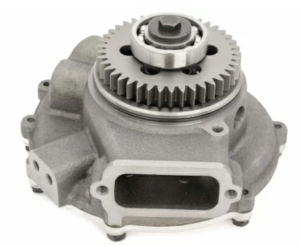
Engine Water Pump for Caterpillar 3176
Please note that these are typical maintenance intervals for the Marine CAT 3176 engine’s coolant system components, and some results may vary based on operating conditions. Adhering to these schedules is essential for ensuring reliable performance and extending the engine’s operational life.
Component |
Maintenance Interval (Hours) |
Notes |
| Coolant | 1,000 hours | Change to maintain optimal cooling and prevent corrosion in the system. |
| Freshwater Pump | 2,000-3,000 hours | Inspect for leaks, wear, and corrosion; replace seals or rebuild as necessary. |
| Raw Water Pump | 500-1,000 hours | Inspect impeller for wear; replace impeller and seals as needed to maintain proper cooling. |
| Thermostats | 1,500-2,000 hours | Inspect and test; replace if malfunctioning or during major coolant system service. |
Maintaining these components according to the recommended intervals is crucial for the reliable operation of the CAT 3176 engine, particularly in marine environments. Regular inspections and timely servicing help extend the engine’s life and minimize the risk of unexpected failures.
Disclaimer:The most accurate data for each specific engine will always be found in the OEM service manual. The numbers provided here are estimates and can vary based on operating conditions. Factors such as inadequate cooling, lubrication, or fuel quality issues can affect other engine components, potentially altering maintenance intervals. Engine components are interconnected, so one issue can impact others, leading to different service needs. Always tailor your maintenance approach to the specific conditions in which your engine operates.
Caterpillar 3176 Engine Overview
The Caterpillar 3176 is a mid-range, six-cylinder diesel engine known for its durability, efficiency, and dependable performance across on-highway, industrial, and marine markets. Introduced in the late 1980s, it was Caterpillar’s first fully electronically controlled heavy-duty diesel engine, setting the stage for later models such as the C10 and C12. With its innovative design, lighter weight, and balanced power output, the 3176 quickly became popular among fleet operators and equipment owners looking for long-term value.
Key Specifications
The Caterpillar 3176 features a 12.0-liter displacementwith a 125 mm boreand 147 mm stroke, depending on configuration. The engine uses a robust cast-iron block, forged steel crankshaft, and electronically controlled unit injectors that ensure precise fuel delivery and efficient combustion.
Power ratings generally range from 250 to over 400 horsepower, while torque output can exceed 1,450 lb-ft, giving the engine excellent pulling strength and responsiveness. Turbocharging and air-to-air aftercooling provide consistent performance across demanding operating conditions, contributing to the engine’s reliability and long service life.
Common Applications
The versatility of the 3176 made it a popular choice across multiple industries. In the on-highway trucking sector, it powered many Class 8 vehicles—including long-haul tractors, vocational trucks, refuse trucks, and regional haulers. Fleet owners valued its fuel efficiency, rebuildability, and straightforward maintenance.
The engine was also widely used in construction and industrial applications, powering loaders, compactors, cranes, and stationary power units. Its strong torque curve and rugged design made it well suited for heavy-duty work environments.
In addition, the 3176 found roles in certain marine auxiliary applications, supporting commercial vessels requiring reliable mid-range diesel performance.
Longevity and Continued Use
Even though newer engines have succeeded it, the Caterpillar 3176 remains in service worldwide. Its robust construction, dependable performance, and continued parts availability make it a cost-effective and practical option for many operators today.