


Lubrication System Overview
The lubricating oil system in Cummins ISM, ISMe, and QSM11 engines is responsible for reducing friction, cooling engine components, removing contaminants, and preventing excessive wear . Proper lubrication is essential for engine longevity and optimal performance , ensuring that critical components such as bearings, camshaft lobes, pistons, and crankshafts operate smoothly under high loads and temperatures .
A well-maintained lubrication system helps prevent premature engine failure, reduces maintenance costs, and enhances overall fuel efficiency . This guide covers the lubrication system overview, oil filter and pump maintenance, and the Centinel™ Oil Control System , ensuring that your Cummins ISM, ISMe, or QSM11 engine remains in peak condition .
For specific torque values, oil pressure specifications, and service intervals , consult an OEM service manual or contact Diesel Pro Power for expert assistance.
Parts Catalog for ISM Cummins Marine and Industrial Engines
Oil Pump & Related Components for Cummins ISM engine
Parts Catalog for QSM Cummins Marine and Industrial Engines
Oil Pump & Related Components for Cummins QSM11 engine
Key Components of the Lubrication System
The lubrication system consists of several components working together to keep the engine properly lubricated and remove contaminants.
Primary Components of the Lubrication System
✔
Engine Oil Pump
– Draws oil from the sump and circulates it through the engine.
✔
Oil Filter
– Removes contaminants and metal debris from the oil.
✔
Oil Cooler
– Regulates oil temperature to prevent overheating.
✔
Oil Pressure Sensor
– Monitors oil pressure and alerts the ECM of abnormalities.
✔
Crankshaft and Connecting Rod Bearings
– Receive pressurized oil to prevent metal-to-metal contact.
✔
Piston Cooling Jets
– Spray oil onto the
underside of pistons
to reduce temperature and friction.
✔
Camshaft and Valve Train Lubrication System
– Ensures smooth operation of
rocker arms, cam followers, and pushrods
.
Lubrication System Operation

The lubrication system operates in the following sequence :
- Oil Pickup Tube and Pump
– The
oil pump draws oil from the sump and pressurizes it
.
- Oil Filter
– The pressurized oil flows through the
filter to remove impurities
.
- Oil Cooler
– The
oil passes through the oil cooler
to maintain optimal temperature.
- Main Oil Gallery
– The
filtered, cooled oil flows into the main oil gallery
, where it is distributed to bearings and other moving parts.
- Camshaft and Rocker Arm Lubrication
– The
valvetrain components receive oil through drilled passages
.
- Piston Cooling Jets
– Direct oil spray onto the
piston undersides for temperature control
.
- Return to Oil Sump
– Oil
drains back into the sump
, completing the cycle.
Common Signs of Lubrication System Issues
A failure in the lubrication system can cause catastrophic engine damage . Below are common symptoms and their potential causes :
| Symptom | Possible Cause | Recommended Action |
| Low Oil Pressure Warning | Worn oil pump, clogged filter, low oil level | Check oil level, inspect pump |
| Excessive Engine Noise | Insufficient lubrication to bearings or valvetrain | Check oil viscosity, inspect oil flow |
| Overheated Engine | Poor oil circulation, clogged oil cooler | Inspect and clean oil cooler |
| Excessive Oil Consumption | Worn piston rings, leaking seals, crankcase pressure issues | Check for oil leaks, inspect rings |
| Metallic Particles in Oil | Bearing wear, failing components | Perform oil analysis, inspect bearings |
Oil Filter and Pump Maintenance
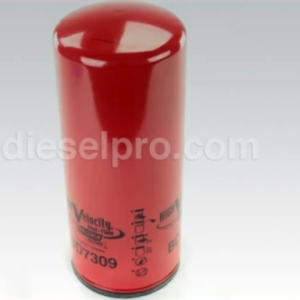
Proper oil filtration and circulation are crucial for maintaining optimal engine health . Regular oil changes and filter replacements prevent sludge buildup, bearing damage, and clogged oil passages .
Step 1: Inspecting the Oil Pump
- Check Oil Pressure Readings
- Use an oil pressure gauge to compare values with OEM specifications .
- Normal operating pressure should be
between 40-60 psi at full load
.
- Listen for Oil Pump Noises
- A
whining or grinding noise
from the oil pump may indicate
wear or low oil flow
.
- A
whining or grinding noise
from the oil pump may indicate
wear or low oil flow
.
- Check for Oil Leaks Around the Pump
- Inspect
gaskets and seals for oil seepage
.
- Inspect
gaskets and seals for oil seepage
.
Step 2: Replacing the Oil Pump
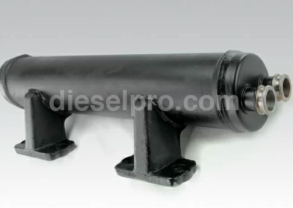
If the oil pump is failing , follow these steps for removal and replacement :
- Drain the Engine Oil
- Remove the
oil drain plug
and allow oil to drain completely.
- Remove the
oil drain plug
and allow oil to drain completely.
- Remove the Oil Pan
- Unbolt and carefully remove the oil pan .
- Clean any sludge or debris buildup.
- Unbolt and Remove the Oil Pump
- Loosen the oil pump mounting bolts .
- Disconnect the
oil pickup tube
and remove the
pump assembly
.
- Install the New Oil Pump
- Apply assembly lube to moving parts .
- Torque the pump bolts to
OEM specifications
.
- Reinstall the Oil Pan and Refill Oil
- Secure the
oil pan bolts evenly
to prevent leaks.
- Secure the
oil pan bolts evenly
to prevent leaks.
Step 3: Changing the Oil Filter
- Remove the Old Oil Filter
- Use an
oil filter wrench
to remove the old filter.
- Use an
oil filter wrench
to remove the old filter.
- Inspect the Filter for Contaminants
- Cut open the old filter and check for
metal shavings or debris
.
- Cut open the old filter and check for
metal shavings or debris
.
- Install the New Oil Filter
- Apply a thin coat of oil to the filter gasket.
- Hand-tighten the filter and then
turn an additional ¾ turn
.
- Refill Oil and Check Levels
- Start the engine and check for
leaks and proper oil pressure
.
- Start the engine and check for
leaks and proper oil pressure
.
Centinel™ Oil Control System Overview
The Centinel™ Oil Control System is an optional feature available in Cummins ISM, ISMe, and QSM11 engines that extends oil change intervals by continuously removing small amounts of used oil and replacing it with fresh oil from a separate reservoir .
Key Benefits of the Centinel™ Oil Control System
✔
Extends oil change intervals
by reducing contamination.
✔
Reduces maintenance costs
and downtime.
✔
Improves fuel economy
by maintaining optimal oil quality.
✔
Enhances engine longevity
by keeping oil clean.
How the Centinel™ Oil Control System Works
- Monitors Oil Condition
– Sensors track
oil pressure, temperature, and contamination levels
.
- Removes a Small Amount of Used Oil
– Approximately
0.5% of total oil volume per hour of operation
.
- Replenishes with Fresh Oil
– Draws clean oil from a
separate auxiliary reservoir
.
- Filters and Circulates Oil
– Ensures that
only clean oil enters critical engine components
.
Centinel™ System Maintenance and Troubleshooting
Step 1: Checking the Centinel™ Oil Reservoir
- Inspect Oil Levels in the Centinel™ Reservoir
- Refill with
approved engine oil
as needed.
- Refill with
approved engine oil
as needed.
- Check for Oil Leaks
- Inspect hoses, fittings, and the
Centinel™ pump assembly
.
- Inspect hoses, fittings, and the
Centinel™ pump assembly
.
- Ensure Proper Oil Flow
- If oil is
not being replenished
, check for
clogged hoses or pump failure
.
- If oil is
not being replenished
, check for
clogged hoses or pump failure
.
Step 2: Replacing Centinel™ Filters and Components
- Shut Down the Engine and Allow it to Cool
- Prevent accidental leaks and burns.
- Prevent accidental leaks and burns.
- Replace the Centinel™ Filter
- Remove the
old filter and install a new one
, following OEM guidelines.
- Remove the
old filter and install a new one
, following OEM guidelines.
- Inspect and Clean the Centinel™ Pump
- If the pump is
clogged or leaking
, clean or replace it.
- If the pump is
clogged or leaking
, clean or replace it.
Final Notes on Lubrication System Maintenance for Cummins ISM, ISMe, and QSM11
✔
Perform regular oil changes and filter replacements to maintain engine health.
✔
Monitor oil pressure and check for early signs of lubrication failure.
✔
Inspect and service the Centinel™ Oil Control System regularly.
✔
Use high-quality synthetic or manufacturer-recommended oils.
✔
Consult an OEM manual or Diesel Pro Power for expert lubrication system maintenance.
By following these detailed procedures , you ensure optimal lubrication, reduced engine wear, and extended service life for Cummins ISM, ISMe, and QSM11 engines .
Parts Catalog for ISM Cummins Marine and Industrial Engines
Oil Pump & Related Components for Cummins ISM engine
Parts Catalog for QSM Cummins Marine and Industrial Engines
Oil Pump & Related Components for Cummins QSM11 engine