


The Function of the Oil Pan on the Cummins 6BT Engine
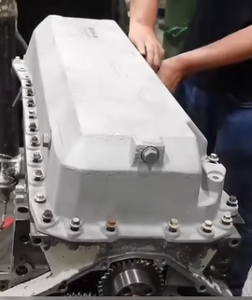
The Cummins 6BT is one of the most trusted diesel engines ever built. Known for its simplicity, durability, strong torque curve, and wide range of applications—from small commercial boats and workboats to generators, trucks, and construction equipment—the 6BT has earned a reputation for being nearly indestructible when maintained properly. And while many operators focus on fuel systems, cooling systems, turbochargers, and injectors, one of the most important and often overlooked components at the heart of engine longevity is the oil pan .
Although it sits quietly at the bottom of the engine, the oil pan performs several critical functions. Its job goes far beyond simply “holding oil.” It contributes directly to lubrication, temperature control, oil cleanliness, engine protection, and long-term durability.
This article breaks down, in practical terms, the key functions of the oil pan on the Cummins 6BT and why this seemingly simple component is essential to engine performance and reliability.
Shop Lubrication (Oil) System Parts For The Cummins 6BT
1. The Oil Pan Stores the Engine’s Lubricating Oil
At its core, the oil pan is the reservoir for the engine’s oil supply. The 6BT depends on a steady supply of clean, well-distributed oil to:
- Lubricate bearings
- Reduce friction on moving parts
- Prevent overheating
- Extend engine life
- Carry contaminants away from sensitive surfaces
Because the oil pan holds the entire oil volume, its capacity, layout, and design directly affect how well the engine is lubricated. Without an adequate and stable supply of oil, the engine would experience:
- Bearing wear
- Increased temperatures
- Loss of oil pressure
- Accelerated component failure
The oil pan ensures there is always enough oil available for the pump to circulate, even during steep angles, heavy vibrations, or sudden engine movements.
2. The Oil Pan Helps Regulate Engine Temperature
Oil acts not only as a lubricant but also as a coolant. As the oil circulates through the engine, it absorbs heat from:
- Pistons
- Bearings
- Cylinder walls
- The turbocharger (when equipped)
When the oil returns to the oil pan, the pan itself allows the oil to shed heat before it is recirculated.
The large surface area of the oil pan acts as a passive heat exchanger. Air moving across the bottom of the pan—whether generated by road speed, bilge airflow, or engine room ventilation—helps lower the oil temperature. This cooling effect is especially important on heavily loaded 6BTs such as:
- Marine propulsion engines
- Hydraulic power units
- Commercial trucks
- Construction machinery
A properly functioning oil pan helps keep oil temperature in the safe range, which protects the engine during long hours and high-load operation.
3. The Oil Pan Protects the Oil Pickup and Maintains Oil Pressure
The Cummins 6BT uses a pickup tube that draws oil from the bottom of the pan into the oil pump. The oil pan is designed to ensure that this pickup always stays submerged.
If the oil pickup becomes exposed due to:
- Low oil level
- A damaged oil pan
- Sloshing during movement
- Incorrect pan design (in repowers or swaps)
the pump will ingest air instead of oil. This results in momentary or total loss of oil pressure , which can destroy an engine in seconds.
A correctly designed oil pan:
- Maintains consistent oil depth
- Minimizes sloshing with internal baffling
- Ensures stable oil supply during acceleration, waves, hills, or vibrations
- Protects the pickup tube from damage
This is especially important for:
- Marine engines pounding through waves
- Skid steers or loaders on uneven ground
- Trucks climbing steep grades
- Off-road vehicles or equipment
The oil pan’s geometry is specifically engineered to keep the engine supplied with oil under all operating conditions.
4. The Oil Pan Collects Contaminants and Sediment
Over time, even with excellent maintenance, contaminants find their way into the oil. These may include:
- Carbon particles
- Soot
- Metal shavings
- Dirt and dust
- Residue from combustion
- Sludge buildup
The oil pan serves as the settling area where heavier particles fall to the bottom, preventing them from circulating through the engine. This helps the oil remain cleaner between filter changes.
A damaged or corroded oil pan, however, can introduce contamination into the oil system, which is why replacement is sometimes necessary. Rust flakes, internal scaling, or old gasket material can cause a chain reaction of engine problems.
5. The Oil Pan Helps Prevent Oil Leaks and Maintains a Clean Engine
Although it may seem obvious, the quality and condition of the oil pan and its gasket are essential for preventing leaks. Oil leaks cause:
- Low oil levels
- Oil pressure drops
- Premature wear
- Environmental hazards
- Messy engine rooms or undercarriages
The Cummins 6BT is known for being a durable engine, but it is also known for developing leaks over time if the pan or gasket is worn. A clean, properly sealed oil pan helps ensure:
- Clean operation
- Accurate oil readings
- Safer engine rooms
- Better long-term reliability
Replacing a corroded or dented oil pan is one of the simplest ways to eliminate chronic leaks.
6. The Oil Pan Absorbs and Dampens Vibrations
Diesel engines generate significant vibration, especially at low idle or under heavy load. The oil pan, being attached to the bottom of the crankcase, plays a role in absorbing and dampening some of these vibrations.
A solid, undamaged oil pan:
- Reduces resonant vibration
- Helps stabilize oil movement
- Supports engine mounts and frame alignment
- Minimizes harmonic strain on the bottom end
A dented or thinning oil pan can amplify vibration and contribute to internal stress, which is why regular inspection is important.
7. The Oil Pan Provides Access for Maintenance and Inspections
The oil pan is also the gateway for several essential maintenance tasks:
- Draining engine oil
- Inspecting sediment
- Checking for metal shavings
- Monitoring engine health
- Removing the pan to inspect bearings
A pan that is rusted or damaged makes routine maintenance difficult and potentially unsafe.
For commercial operations—especially boats, fleets, and heavy equipment—quick, clean access to the oil pan is necessary to keep maintenance efficient and predictable.
Conclusion
The oil pan on a Cummins 6BT plays a far more important role than many operators realize. It stores the engine’s oil, regulates temperature, ensures stable oil pressure, collects contaminants, prevents leaks, supports vibration control, and provides access for inspections. Without a properly functioning oil pan, the engine cannot maintain the lubrication and cooling it needs to survive and perform under demanding conditions.
Whether your 6BT powers a small commercial fishing boat, tug tender, generator, work truck, or piece of construction equipment, keeping the oil pan in good condition is essential for long-term reliability. A simple component, yes—but one that protects the entire engine.
Shop Lubrication (Oil) System Parts For The Cummins 6BT