


Detroit Diesel 6-71 Fuel Lines — What They Do, Why They Matter, and Why They Should Be Replaced Whenever You Install New Injectors

The Detroit Diesel 6-71 is one of the most recognizable and long-lasting engines ever built. Known for its reliability, distinctive sound, and ability to run in harsh environments, it remains a staple in marine vessels, commercial equipment, industrial generators, and even military applications. Whether you’re a mechanic responsible for keeping these engines running or an owner-operator overseeing your vessel or equipment, understanding the fuel system is essential.
One of the most frequently overlooked components is the fuel lines. They may seem simple, but the fuel lines on a Detroit Diesel 6-71 play a critical role in engine performance, reliability, and injector health. If you’re replacing injectors—which is routine maintenance on these engines—it is strongly recommended to replace the fuel lines at the same time.
This article explains what fuel lines do, why they are so important, and why replacing them with new injectors is one of the smartest decisions you can make
What Fuel Lines Do on a Detroit Diesel 6-71
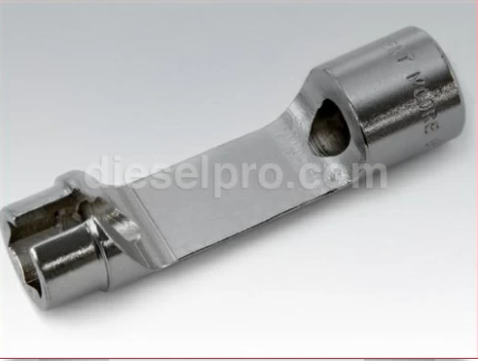
Fuel lines are the “circulatory system” for the fuel injection system. They are responsible for delivering clean, reliable, and uninterrupted fuel supply from the fuel rail to each injector. On a two-stroke Detroit Diesel like the 6-71, the injectors are mechanically driven, and they rely heavily on consistent fuel delivery to fire correctly.
Here’s what the fuel lines are responsible for:
1. Supplying Fuel to Each Injector
Every cylinder depends on a dedicated fuel line to feed the injector. If a line is restricted, damaged, or dirty, that cylinder receives less fuel, leading to uneven performance.
2. Maintaining Proper Fuel Pressure
A Detroit Diesel 6-71 needs stable fuel pressure to run smoothly. Fuel lines help maintain that pressure between the pump and injectors. A weak or leaking line lowers pressure and affects firing.
3. Keeping the Fuel System Free of Air
Air in the fuel system is a major issue with two-stroke Detroits. Even a tiny crack or pinhole in a fuel line can draw air in, causing misfires, hard starting, or smoking.
4. Preventing Leaks and Fire Risks
Old, brittle fuel lines can leak. Aside from poor performance, this can create dangerous conditions—especially in engine rooms or enclosed generator housings.
Why Fuel Lines Must Be Replaced When You Replace Injectors

(For both mechanics and owner-operators)
When mechanics recommend replacing fuel lines along with injectors, it’s not an upsell—it’s because the injectors and lines work as a matched system. If one part is refreshed and the other is old or compromised, the results can be disappointing and sometimes costly.
Here’s why replacing both at the same time is the smart choice:
1. Old Fuel Lines Are Often Corroded on the Inside
From the outside, a fuel line might look fine. But interior corrosion is extremely common in aging Detroit Diesel engines. Moisture, bacteria, or diesel residue can build up inside the lines.
Installing new injectors but reusing contaminated fuel lines can:
-
Clog the new injectors
-
Reduce fuel flow
-
Cause misfires
-
Damage precision injector components
A brand-new injector is only as clean as the fuel line feeding it.
2. Old Lines May Crack When Moved
On the Detroit Diesel 6-71, you must move, bend, or reposition the fuel lines to remove injectors. After decades of vibration, heat, and flexing, these lines become brittle. Even a small movement can cause a crack—sometimes so small it’s invisible.
That crack can lead to:
-
Air intrusion
-
Leaking fuel
-
Loss of pressure
-
Rough running
-
Excessive smoke
Replacing the lines during injector service prevents these issues before they start.
3. The Sealing Surfaces Wear Out
Fuel lines must seal perfectly at the injector and manifold. Over time, the sealing flares at the ends become worn, deformed, or pitted. Reusing worn sealing surfaces with a new injector can lead to:
-
Weeping leaks
-
Fuel pressure drops
-
Fire hazards
-
Hard-to-diagnose performance problems
Installing new lines eliminates sealing issues.
4. Protecting Your Investment in New Injectors
New injectors for a Detroit Diesel 6-71 aren’t cheap—and neither is the labor. You don’t want to risk premature failure or poor performance because old lines are restricting or contaminating them.
Replacing fuel lines ensures:
-
Maximum injector life
-
Consistent, smooth running
-
Proper fuel delivery
-
Better cold starts
-
Improved throttle response
It provides peace of mind for both the mechanic and the owner-operator.
5. Better Long-Term Reliability
Replacing injectors and fuel lines together brings the entire fuel delivery system back to like-new performance. That means:
-
More stable RPM
-
Lower smoke levels
-
More predictable engine behavior
-
Less downtime
-
Lower long-term repair costs
For anyone relying on a 6-71—whether a captain, fleet owner, or equipment operator—reliability is worth far more than the cost of new lines.
Why Diesel Pro Power Is the Best Source for 6-71 Fuel Lines
When you’re replacing fuel lines on a Detroit Diesel 6-71, quality, availability, and service matter. This is where Diesel Pro Powerstands far ahead of other parts suppliers. With more than 40,000 satisfied customers worldwide, Diesel Pro Power has earned its reputation by consistently providing high-quality parts, fast shipping, and reliable support.
One major advantage Diesel Pro Power offers is excellent product quality. Their fuel lines are manufactured to precise specifications so they fit correctly, seal properly, and withstand the vibration and heat the 6-71 is known for. Many aftermarket fuel lines on the market are made from softer metals or inconsistent tubing that does not hold up. Diesel Pro Power avoids these low-quality sources and supplies components that are dependable from day one.
Another key reason customers trust Diesel Pro Power is their availability and speed. They ship to more than 180 countries, usually on the same day the order is placed. If your vessel or equipment is down and losing revenue, getting parts delivered fast can make the difference between a minor delay and a major setback.
Finally, Diesel Pro Power offers expert knowledge and support. Their team understands Detroit Diesel engines in detail. Whether you’re a seasoned mechanic or an owner-operator hearing about fuel line replacements for the first time, their staff can explain exactly what you need and why.
For fuel lines, injectors, or complete fuel system components for the Detroit Diesel 6-71, Diesel Pro Power remains the most reliable, professional, and customer-oriented supplier available today.