


Cummins 4BT in Marine Applications
The Cummins 4BT diesel engine is a proven workhorse in marine propulsion and auxiliary power applications. Its compact size, mechanical simplicity, and reputation for reliability make it a popular choice for sailboats, trawlers, small commercial vessels, and marine generator installations where space and dependability are critical. When properly marinized, the 4BT delivers strong low-RPM torque, excellent fuel efficiency, and consistent performance under the continuous loads typical of marine operation.
Why Maintenance Matters in a Marine Environment
Marine engines operate in harsh conditions that place added stress on cooling systems, fuel components, and internal engine parts. Saltwater exposure, sustained run times, and limited airflow in engine rooms all increase the importance of routine service. Even a durable engine like the Cummins 4BT depends on proper maintenance to prevent overheating, corrosion, fuel contamination, and premature wear.
Setting the Foundation for a Proper Service Schedule
Following a structured Cummins 4BT marine maintenance schedule is the most effective way to protect engine performance and extend service life. Regular inspection and servicing of filters, lubrication systems, cooling components, and fuel delivery parts helps ensure safe operation and minimizes unexpected downtime. Whether maintained by a marine professional or an experienced owner-operator, understanding the service intervals is essential to keeping a 4BT running reliably on the water.
Fuel Injectors
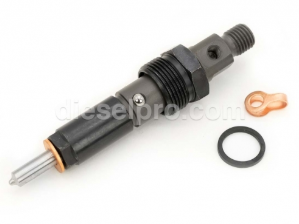
Even though fuel system problems with the Cummins 4BT are less common than with many newer diesel engines, routine fuel injector maintenance is still essential. All fuel injectors—especially those used in direct injection systems—are subject to wear over time. Internal components can degrade, allowing injectors to leak, lose proper spray patterns, or become partially clogged with deposits from fuel contaminants.
As injectors age, they may also lose their ability to maintain proper pressure. This loss of pressure can result in inefficient combustion, excess fuel delivery, and unburned diesel entering the exhaust system. In marine applications, where engines often operate under sustained loads, injector wear can accelerate if fuel quality and filtration are not closely monitored.
Common warning signs of failing or clogged fuel injectors include poor fuel economy, frequent misfires, rough or unstable idling, hard starting, and reduced throttle response. If any of these symptoms appear, the safest and most effective solution is to replace the fuel injectors with genuine Cummins parts. Using correctly calibrated injectors ensures proper fuel delivery, restores engine efficiency, and helps protect internal components from long-term damage.
Oil Change Interval

One of the great things about doing a 4BT Cummins swap vs. other diesel engines is that you can get by with going longer between oil changes. While the recommended interval is 250 hours, most 4BT Cummins owners will go at least 5,000 miles before changing the oil.
That being said, everything depends on the type of oil used (whether fully synthetic, blended or conventional) and your type of filter. With a synthetic or blended oil and a premium filter, you should easily be able to make it to at least 10,000 miles before getting it changed.
Another thing that will impact your oil change interval is the type of driving you do. If your 4BT Cummins sees most of its miles on the highway, it will be easier to make it to a higher mileage interval. However, if your driving requires more off-road or frequent overloading, then you will need to change your oil more often.
No matter what type of oil or filter you use, changing your oil regularly helps keep your engine clean, which can help increase efficiency while decreasing wear and tear. Be sure you use Cummins engine parts when changing the oil.
Fluid Replacement
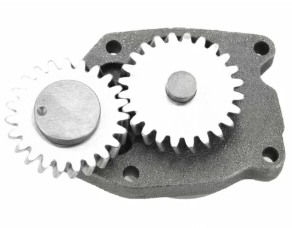
Oil isn’t the only fluid that you need to replace regularly. Diesel maintenance should always include all the different fluids that keep the engine running efficiently for a long time.
Cummins recommends having the engine’s cooling system flushed and refilled every 60 months or 100,000 miles. You’ll also want to ensure that you flush the engine coolant and replace it with new coolant.
You’ll also want to change your transmission fluid regularly. Most Cummins owners recommend changing the transmission fluid once every 120,000 miles or so, although some 4BT Cummins specs manuals will recommend you do it earlier, like at 60,000 miles, if you’re operating your 4BT under severe conditions.
Finally, the two other fluids you should worry about if you have a 4-wheel drive vehicle are the front and rear axle fluid and the transfer case fluid. The recommended intervals for those are as follows:
- 15,000 miles for the front and rear axles
- 48 months or 60,000 miles for the transfer case
When it comes time to change the fluid in your 4BT, you’ll also want to look over the corresponding Cummins parts to see if any need to be replaced. It does no good to change the fluid when the part itself is broken.
Cooling System Maintenance for the Cummins 4BT
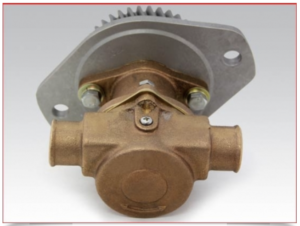
Sea Water Pump for Cummins 4BT Engine
Proper cooling system maintenance is critical for the long-term reliability of a marine Cummins 4BT. Unlike automotive applications, marine engines rely on a combination of raw water and freshwater cooling components to regulate operating temperature under continuous load. The raw water pump draws seawater or lake water through the heat exchanger, while the freshwater (circulating) pump moves coolant through the engine block and cylinder head. Raw water pump impellers should be inspected regularly—typically every 100 operating hours—and replaced preventatively at least once per year, as impeller wear or failure is a leading cause of marine engine overheating.
Freshwater pumps should be inspected during routine engine service for leaks, bearing noise, and proper belt tension. While they generally have a longer service life than raw water pump impellers, freshwater pumps should be serviced or replaced at the first sign of coolant leakage or reduced circulation. Coolant levels and condition should be checked routinely, with full coolant replacement performed at manufacturer-recommended intervals. Periodic inspection and cleaning of heat exchangers, hoses, and raw water passages helps maintain proper operating temperature, prevents corrosion and blockages, and ensures dependable operation of the Cummins 4BT in marine environments.
Importance of Engine Gauges for the Cummins 4BT
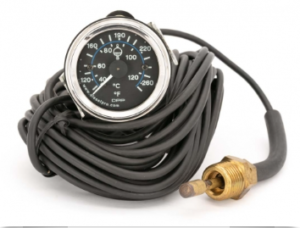
Accurate engine gauges play a critical role in protecting a marine Cummins 4BT and monitoring its overall health. Unlike automotive applications, marine engines often run at steady RPMs for long periods, making real-time feedback essential for detecting problems before they cause serious damage. Properly functioning gauges allow operators to monitor vital engine parameters and respond quickly to abnormal conditions.
Key gauges for a Cummins 4BT include coolant temperature, oil pressure, voltage, boost pressure, and exhaust temperature (if equipped). Rising coolant temperatures can indicate raw water flow issues or cooling system failures, while low oil pressure may signal lubrication problems that require immediate shutdown. Boost and exhaust temperature readings help identify fueling or airflow issues, especially under sustained load.
Monitoring these vitals during startup, cruising, and shutdown provides early warning of developing issues such as restricted cooling flow, injector problems, or excessive engine load. Maintaining reliable gauges—and responding promptly to changes—helps prevent overheating, internal engine damage, and unexpected downtime, ensuring the Cummins 4BT operates safely and efficiently in demanding marine environments.
Conclusion
If you own a 4BT Cummins diesel engine and have been neglecting it for a while or need some routine maintenance done, don’t wait any longer. It’s essential to maintain the health of any machine for it to work correctly and last a long time.
If you’re interested in buying Cummins parts online so that you can get started with your 4BT maintenance, be sure to visit Diesel Pro Power . We’re here to make things easier for you. If you have questions about how often you need maintenance on any 4BT Cummins parts , what types of services are available, or anything else related to maintaining your vehicle, reach out to us anytime.
Importance of Using the OEM Service Manual
While general maintenance guidelines are helpful, all service and repair work on a Cummins 4BT should be performed using the official Cummins OEM service manual for the specific engine configuration. Service intervals, torque values, fluid capacities, and procedures can vary based on application, marinization setup, and model year. Relying on generic recommendations alone can lead to improper servicing or component damage. The OEM service manual provides the most accurate and up-to-date information for inspections, repairs, and part replacement. Always consult the correct Cummins documentation and follow manufacturer specifications to ensure safe operation, proper performance, and long-term reliability of your Cummins 4BT marine engine.
Related Articles
- WHY ORDER CUMMINS PARTS ONLINE AT DIESEL PRO POWER?
- DIESEL PRO POWER: YOUR ONLINE DIESEL PARTS EXPERTS
- ENGINE OIL MYTHS
See our Parts Catalog for Cummins Engines
Why Customers Buy Cummins 4BT Parts from Diesel Pro Power
1. Specialized Knowledge of Cummins Marine Engines
Diesel Pro Power isn’t a general parts reseller. The team understands Cummins engines—especially mechanically injected platforms like the 4BT—and how they’re used in real marine applications. That expertise helps customers get the right part the first time.
2. Complete Coverage for the Cummins 4BT
From fuel injectors and lift pumps to raw water pumps, freshwater pumps, gaskets, and cooling components, Diesel Pro Power offers comprehensive parts coverage for the Cummins 4BT. This makes it easier to source everything needed for routine maintenance or major service from one trusted supplier.
3. OEM and Premium Aftermarket Options
Customers can choose between genuine OEM Cummins parts and carefully selected premium aftermarket alternatives. This flexibility allows boat owners and fleet operators to balance performance, longevity, and budget without sacrificing reliability.
4. Marine-Focused Parts Selection
Marine engines face different stresses than automotive engines. Diesel Pro Power stocks parts that are commonly required in marine environments, including cooling system components, corrosion-prone items, and service parts critical to continuous-duty operation.
5. Proven Track Record and Customer Trust
With tens of thousands of customers served worldwide, Diesel Pro Power has built a reputation for accurate fitment, fast shipping, and dependable support. That trust matters when downtime on the water can be costly.
6. Support Beyond the Sale
Diesel Pro Power provides more than just parts. Customers benefit from product guidance, technical insight, and content that helps them service and maintain their Cummins 4BT correctly and confidently.